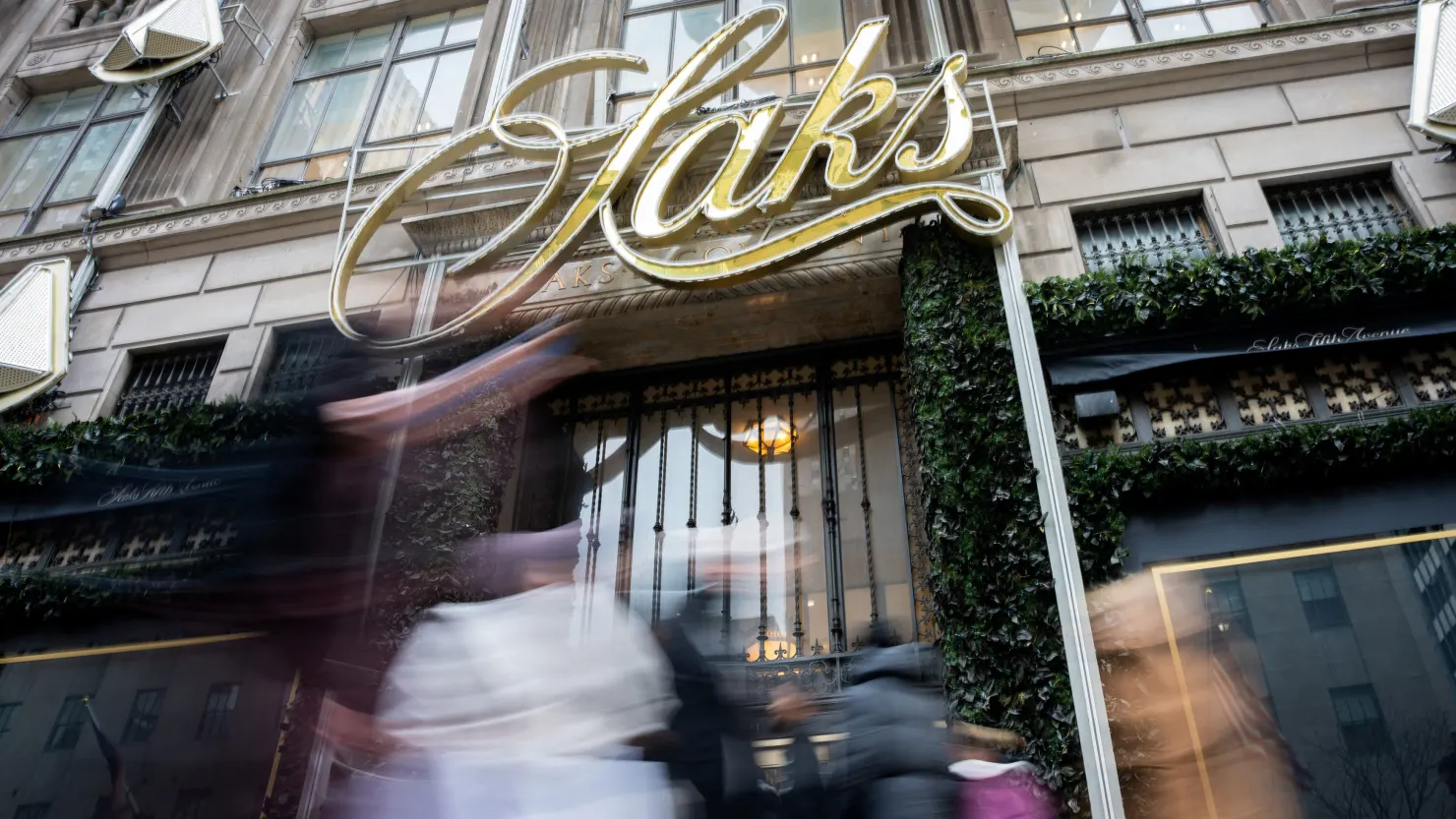
On Wednesday, January 14, 2026, Saks Global—the parent company of Saks Fifth Avenue, Neiman Marcus, and Bergdorf Goodman—filed for Chapter 11 bankruptcy protection.
The filing follows a difficult period of heavy debt stemming from its 2024 acquisition of Neiman Marcus and a broader slowdown in the global luxury market.
Saks Global’s journey to this point has been a complex one. The company had taken on substantial debt, particularly following its ambitious $2.4 billion acquisition of Neiman Marcus in 2024. While the merger aimed to create an unrivaled force in luxury retail, it also piled financial pressure onto the company. This, combined with a broader slowdown in consumer spending within the luxury sector, created a challenging environment that ultimately led to today’s filing.
While the word “bankruptcy” can sound alarming, it’s crucial to understand what Chapter 11 protection entails for a company of Saks Global’s stature. This isn’t a liquidation; rather, it’s a strategic legal process designed to allow a company to reorganize its finances and debt obligations while continuing its operations.
Crucially, Saks Global has secured a substantial $1.75 billion in financing. This vital funding is intended to ensure that Saks Fifth Avenue, Neiman Marcus, and Bergdorf Goodman stores, along with their online platforms, remain open and fully operational throughout the restructuring process. For loyal customers, this means business as usual for the foreseeable future.
For Saks Global, this Chapter 11 filing is an opportunity to shed burdensome debt, streamline operations, and refocus on core strengths. The goal is to emerge stronger, more agile, and better positioned to thrive in a competitive market.